From Scars to Hope: Accompaniment Restores Salwa’s Childhood
27 April 2026
The scars of Salwa, a nine-year-old girl, remind us that the past cannot be erased, yet with accompaniment recovery becomes possible and with education future opportunities widen.
These scars are not only physical marks, but signs of years of deprivation and exploitation that Salwa Barakat endured since her parents separated when she was three years old. Her father forcibly took her to his home in a village in Hama governorate, then remarried and had more children. She was forced to work as a maid for her stepmother and the children, was prevented from attending school, and was made to collect plastic waste. The father exploited his daughter, repeatedly cutting her hair and taking her to beg at bus stops in remote villages while claiming she had cancer. When she refused to obey him, he burned her body with a hot iron rod.
The abuse continued until Salwa was eight years old. Neighbors noticed her suffering and finally helped her escape to her mother, who had remarried and was living with her siblings in her father’s small house in the village of Ain al Shams. Although Salwa shared the small poor house with her mother and eight other people, this was kinder than staying with her father. The father was jailed after the mother filed a police complaint, but he was released after fifteen days and began threatening Salwa’s mother that he would kidnap the girl again.
The Start of Accompaniment
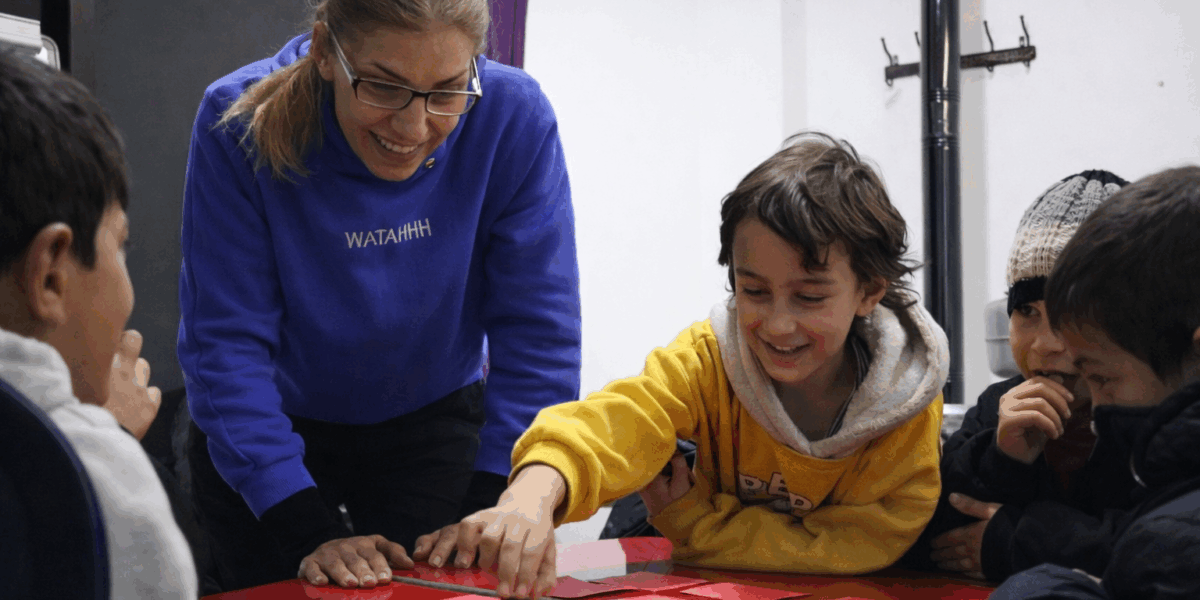
Real change in Salwa’s life came after she was accepted into the Fr. Frans van der Lugt Center, the JRS center in Al Kafroun near her mother’s village, following a visit by the outreach team to her place of residence. The child’s psychological, social, and material needs led to her acceptance into the center this year. In individual sessions she remained afraid that her father would take her, and she told the social worker, “Can my father come here and kidnap me? Or take me by force? I will kill myself if he takes me.” She also expressed difficulty in her relationship with her mother, who allows others to intervene in her life and mistreat her, saying, “What I hate about my mother is that she sees others mistreat me and does not defend me.”
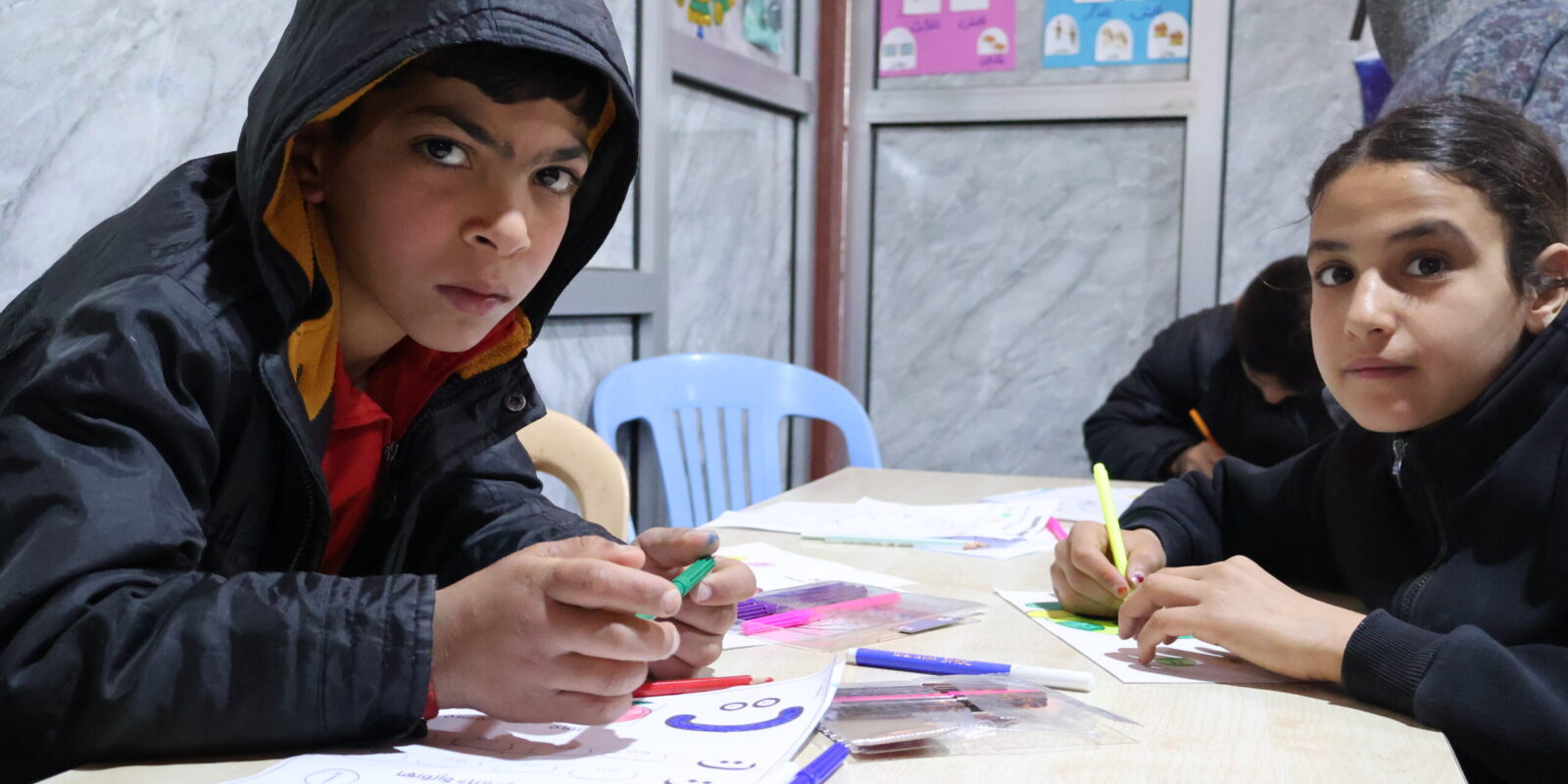
The child received intensive educational and psychological support at the center because she had difficulty being accepted by her peers due to her shyness and short hair, which led to bullying and ridicule. She was also sad because she had not been registered in school, as legal issues related to custody and the father’s possession of her official documents prevented her return to school. JRS, in cooperation with the Al Birr wa Al Ihsan Association in Hama, intervened and helped the child legally to obtain the necessary documents and re-enroll in school. The association also provided the mother with legal advice to preserve her custody rights.
Dawn of Hope
One of the most positive effects on the child’s life was the restoration of contact with her mother and the renewed sense of belonging to the family. The mother said, “Since my daughter was registered at the JRS center, her behavior has improved. She has become more thoughtful and flexible. She now feels like an ordinary child.” The mother also expressed gratitude to the outreach team and the social worker for their solidarity and for providing justice through phone assistance, awareness programs, and referrals to protect her daughter and help her understand the difficult situation.
Although fear had previously hindered the child’s speech development, as she used to speak quickly and whisper unclearly when she first arrived at the center, feelings of love and care made her more open and engaged with others, and she now seeks to prove herself in positive ways. The recent distributions by JRS, which included a winter jacket, trousers, pajamas, and shoes, brought her real joy and she wore them with enthusiasm. At the end of 2025, during the holiday season, she looked forward to Santa Claus after friends told her about him and asked, “Can I see a picture of the Santa Claus who will bring us gifts?”
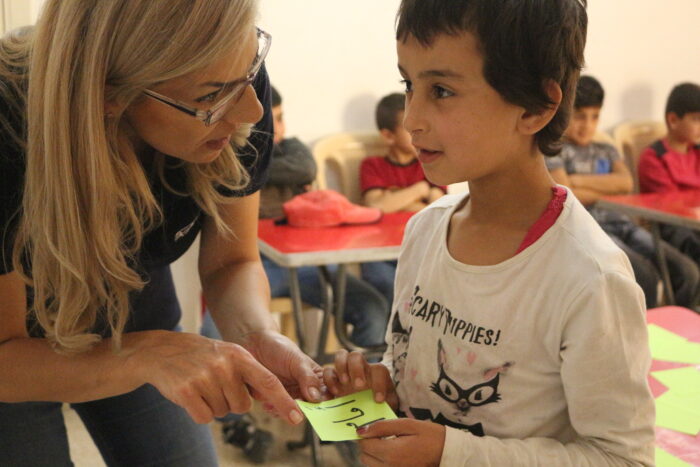
This positive change was noticed by the tutor and her friends, especially Marah and Hussein, who said, “We like to sit next to Salwa because she is very kind and helps everyone without expecting anything in return.” The tutor added, “A smile has returned to the child’s face; she no longer expresses herself through many demands to attract attention. Instead, she talks about school like everyone else and shows commitment to learning letters and reading.” When asked about her future ambitions, Salwa said she wants to become a lawyer to defend the oppressed.
Here, the feeling of injustice turns into a desire for justice, self-fulfillment, and success in life.
Note: All names in this story have been changed to protect the privacy of the individuals.
Explore more