What is the One Refugee Approach?
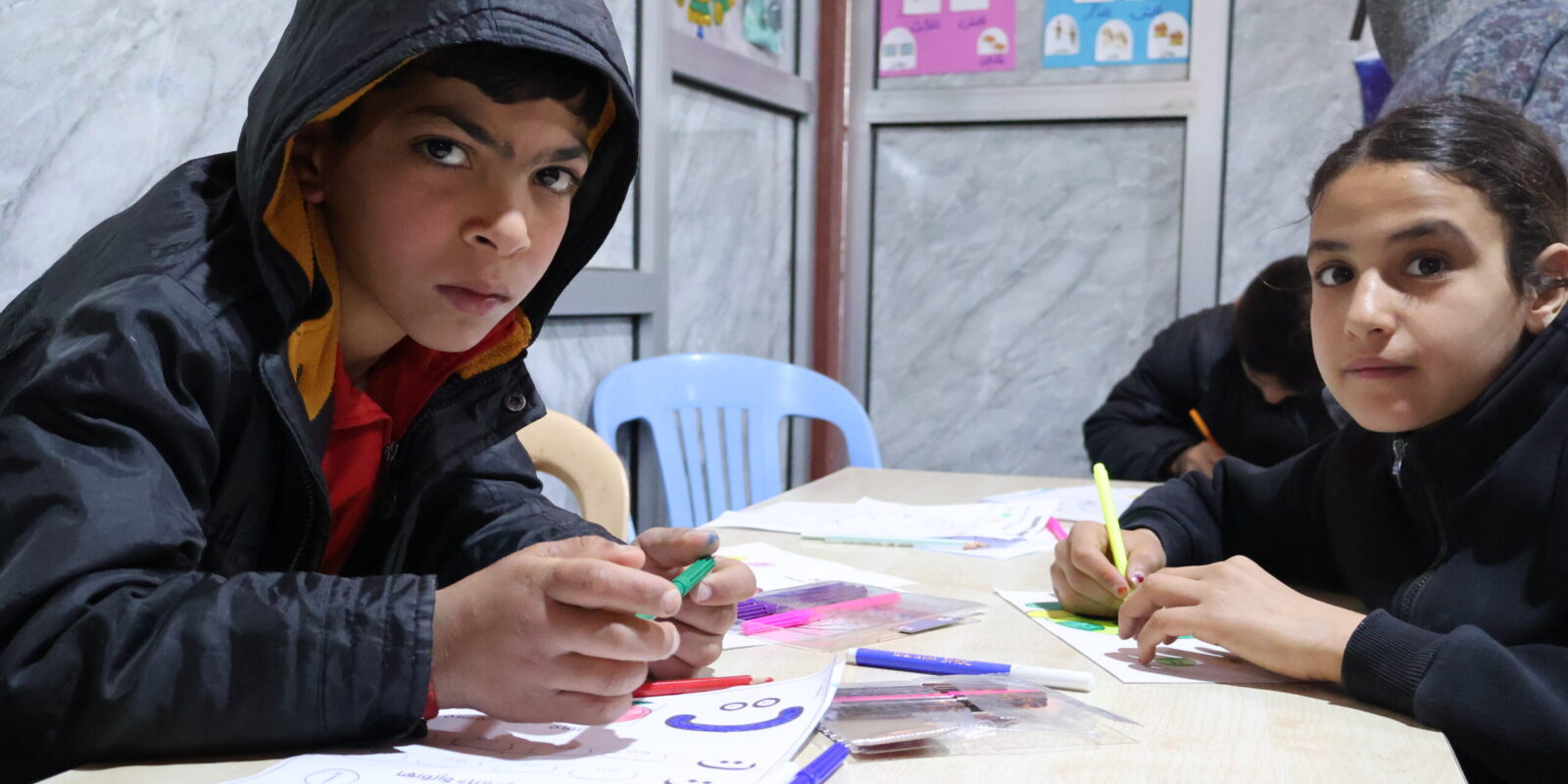
In Jordan, while much global attention is focused on specific large-scale crises, many “minority” refugee populations including Sudanese, Somali, Yemeni, Iraqi and others, are neglected and often face different legal statuses and barriers to access services and protection.
The One Refugee Approach (ORA) advocates for equitable treatment, rights, and assistance for all refugees, regardless of their country of origin. JRS Jordan is a founding and key member of the ORA Working Group, ensuring that the most vulnerable and often overlooked voices remain at the heart of the humanitarian response.
Inside the Brochure
This new briefing note is a concise tool that covers the essential “need-to-know” facts regarding:
- Legal Status & Protection: The challenges of documentation and residency.
- Livelihoods & Self-Reliance: Barriers to the formal labor market.
- Essential Services: Critical gaps in Health, Shelter, and Education.
- Social Inclusion: Addressing discrimination faced by minority refugee groups.
How You Can Use This Resource
The Jordan team has designed this product specifically to be shared. You are encouraged to use it in the following ways:
- Contextual Briefing: Use it to quickly onboard new staff or volunteers to the Jordanian context.
- Donor Relations: Share it with partners or donors interested in JRS’s protection and advocacy work in the Middle East.
- Global Advocacy: Integrate these insights into broader JRS international campaigns to highlight the specific needs of minority refugee populations.
ORA Advocacy Approaches
The ORA represents a shift within Jordan’s humanitarian sector from a nationality-based assistance to a needs-based response that upholds dignity and equal rights for all.
Historically, refugee support in Jordan has been shaped by nationality. Frameworks such as the Jordan Compact (2016) significantly expanded access to work permits and services for Syrians. While life-saving, these measures also created a dual system that excluded many non-Syrian refugees.
The ORA was developed by civil society and humanitarian actors, including JRS, to bridge this gap, focusing on vulnerability and need rather than nationality.
The Core Shift: from nationality-based responses to needs-based protection:
- Assistance determined by vulnerability, not passport
- Equal legal protection for all persons of concern
- Integrated funding that supports the entire refugee population
For JRS Jordan, the ORA underpins advocacy approaches which can be applicable across other regions:
-
Ending “Invisible” Displacement: Many non-Syrian refugees in Jordan live in urban areas with very little visibility. The ORA ensures they aren’t left out of global funding appeals or national health and education plans.
- Legal & Protection Equity: Currently, certain nationalities face higher barriers in accessing protection support and justice, and refugee status (since 2019 UNHCR cannot register new refugees, not even spouses). The ORA pushes for a unified legal framework that protects everyone equally from refoulement (forced return), exploitation and discrimination.
-
Livelihoods & Self-Reliance: One of the biggest hurdles is the right to work. JRS advocates through the ORA Working Group for the expansion of work permits to all nationalities, allowing our students and beneficiaries to support their families legally and safely.
- Social Cohesion: By treating all refugees equally, we reduce potential tensions between different refugee communities who might otherwise feel they are competing for “tiered” resources.
Living our mission to accompany, serve, and advocate means amplifying the voices of those most easily forgotten. By promoting the principles and approaches of the One Refugee Approach, we help ensure that every refugee in Jordan and beyond, is seen, protected, and supported with dignity.
Explore more